Fact
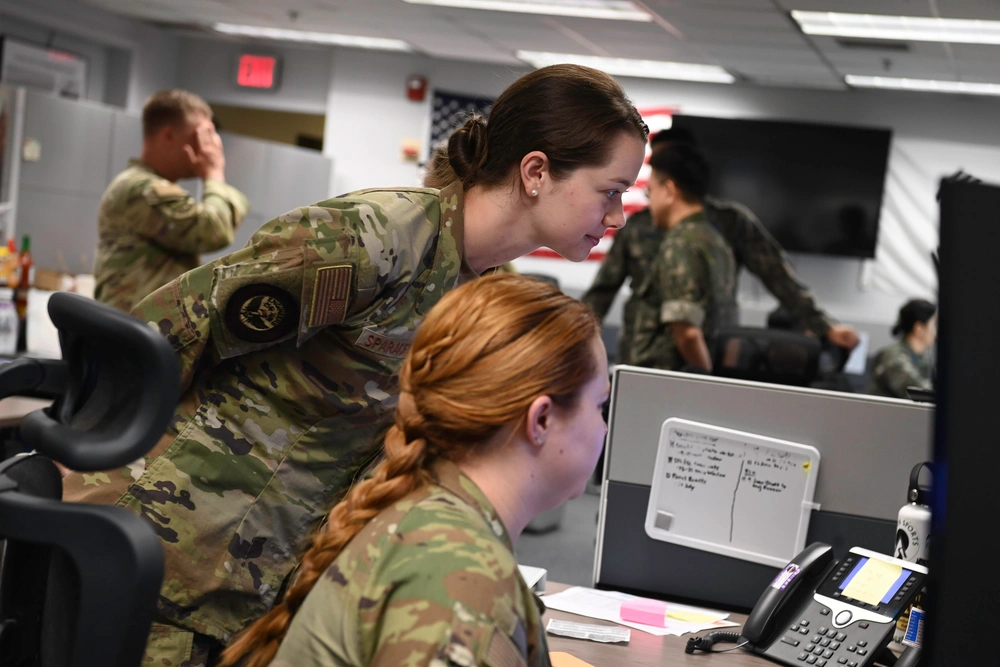
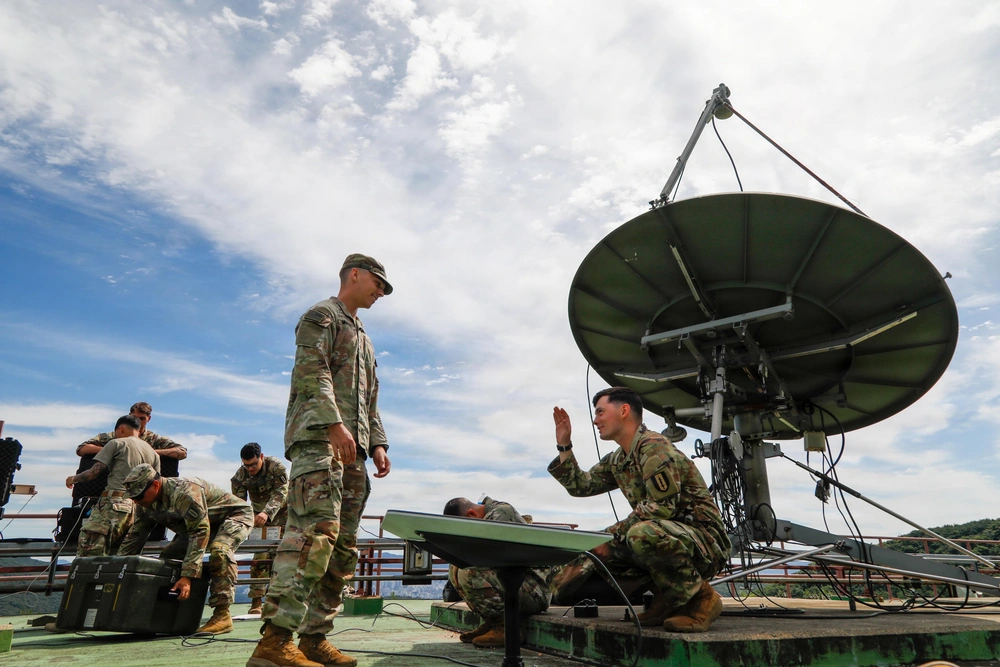
On August 16, 2026, U.S. President Donald Trump said he instructed the Pentagon to “substantially” reduce joint military exercises with South Korea, calling the drills costly and a hostile signal to North Korea. The annual Ulchi Freedom Shield (UFS) exercise still began around August 17 as scheduled. A South Korean defense ministry official said UFS was proceeding on its original schedule and scale, and that Seoul had not received a request from Washington to reduce the exercise after the remarks.
Comment
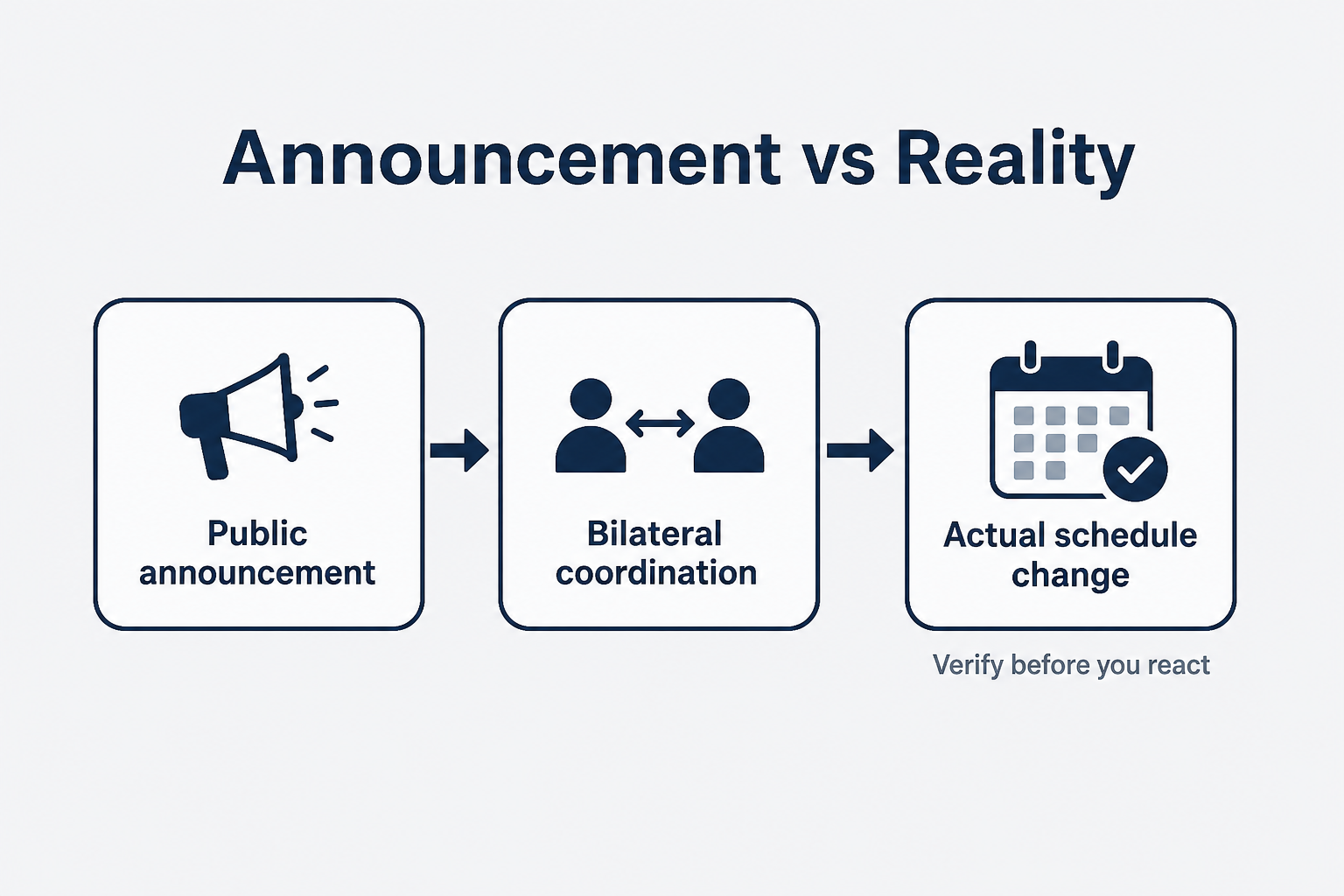
Headlines move fast; checklists move slower. Until both capitals publish a concrete change to scope, duration, or unit participation, “substantially reduce” is an announced intent – not a verified config change. Same rule I use in production: don’t treat a status tweet like a deployed release. Watch for a joint schedule update, then rewrite the story.
IT impact
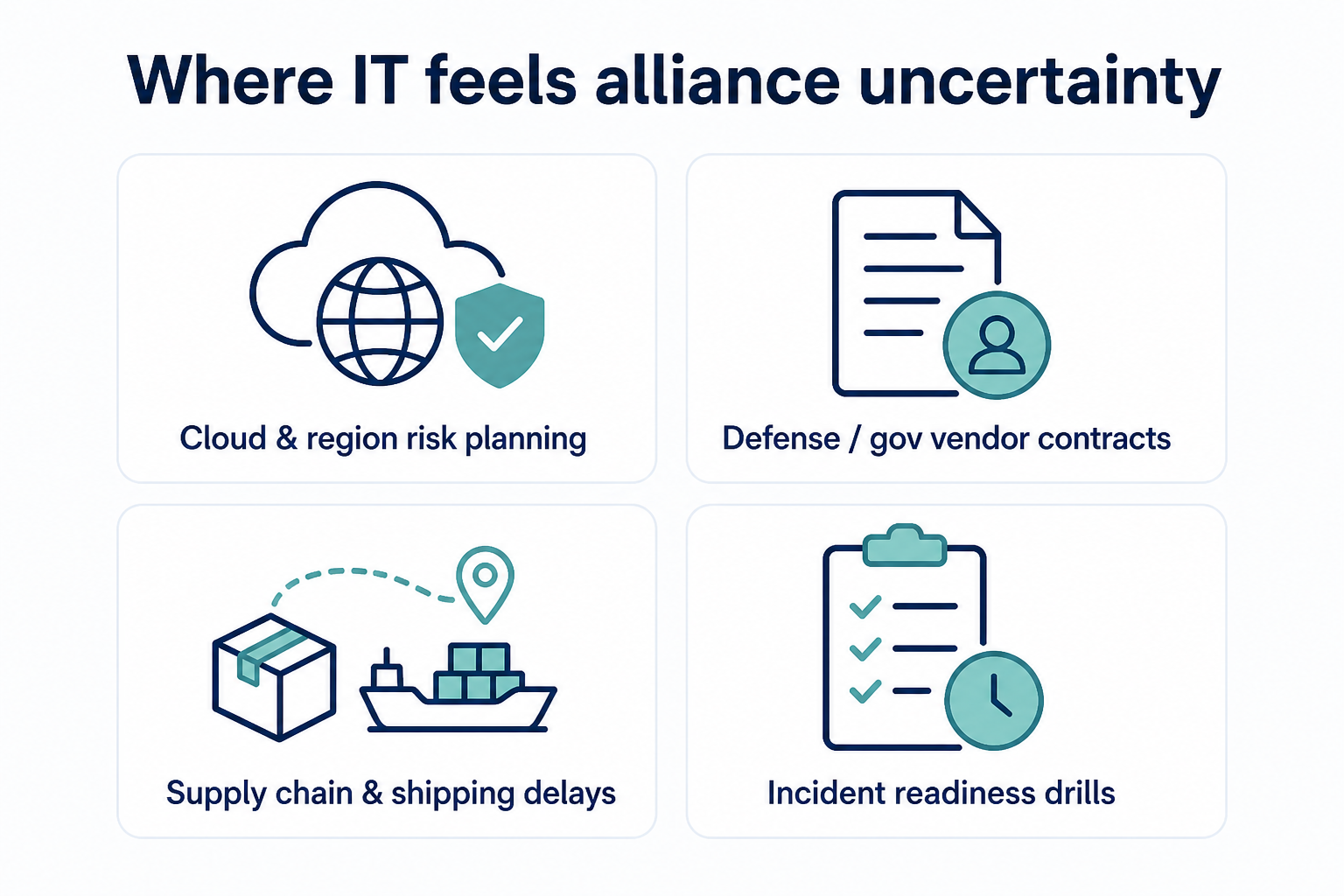
- Risk planning, not outages – alliance noise rarely takes down a VPC the same day; it does push teams to revisit region strategy, DR runbooks, and procurement-delay assumptions.
- Gov / defense-adjacent vendors – cloud, security, and systems contracts tied to readiness calendars may see schedule churn before technical specs change.
- Supply chain & shipping – tension narratives often trigger earlier hardware lead-time checks than code changes.
- Tabletop value – rehearse incident comms and dependency maps the same way UFS rehearses readiness.
Leave a Reply